

6 Proven Paver Choices Improving Outdoor Spaces
Outdoor living spaces have evolved into vital extensions of modern homes, serving as versatile areas for daily relaxation, family entertainment, and visual enjoyment. Selecting the right surface materials remains essential when designing exterior environments that combine long-term durability with high visual appeal. Material selection directly influences overall yard aesthetics, routine maintenance requirements, and long-term property values. Homeowners must evaluate structural performance alongside personal design goals to create welcoming outdoor environments. Understanding the distinct properties of various surface options allows property owners to make well-informed decisions that align with budget limits and functional needs.
Regional weather conditions, anticipated foot traffic, and existing home architecture dictate which materials perform best across seasons. Weather resistance, slip safety, installation ease, and long-term maintenance costs are critical factors during planning stages. For example, regions experiencing winter freeze-thaw cycles require dense materials that resist moisture absorption and surface cracking. Meanwhile, historic properties benefit from traditional textures and warm color palettes. Balancing these practical considerations helps homeowners develop harmonious outdoor settings that integrate seamlessly into local landscapes while supporting active daily use.
1. Select Concrete Units for Maximum Versatility
Concrete options deliver structural strength and physical stability, providing a dependable surface for heavily frequented residential areas. Engineered units withstand substantial vehicular and foot traffic, making them well suited for driveways, entryways, and main patios. Manufactured under high standards, these units resist surface cracking during seasonal freezing and thawing cycles. Their solid density ensures stable footing while handling daily physical wear without requiring ongoing structural repair. Choosing a concrete paver guarantees a robust, long-lasting surface that retains structural integrity through years of continuous use.
Aesthetic flexibility represents another major advantage of factory-built concrete materials. Modern manufacturing practices allow for diverse shapes, custom colors, and textured finishes that emulate natural stone or clean geometric layouts. Homeowners can arrange individual units into distinctive patterns, such as herringbone or basket weave, to elevate property appearance. This design versatility accommodates contemporary architectural styles as well as classic home designs. The economic impact of building materials remains significant; according to the National Asphalt Pavement Association, the production, engineering, and construction sectors support over 400,000 jobs across the nation.
2. Choose Natural Stone for Timeless Beauty
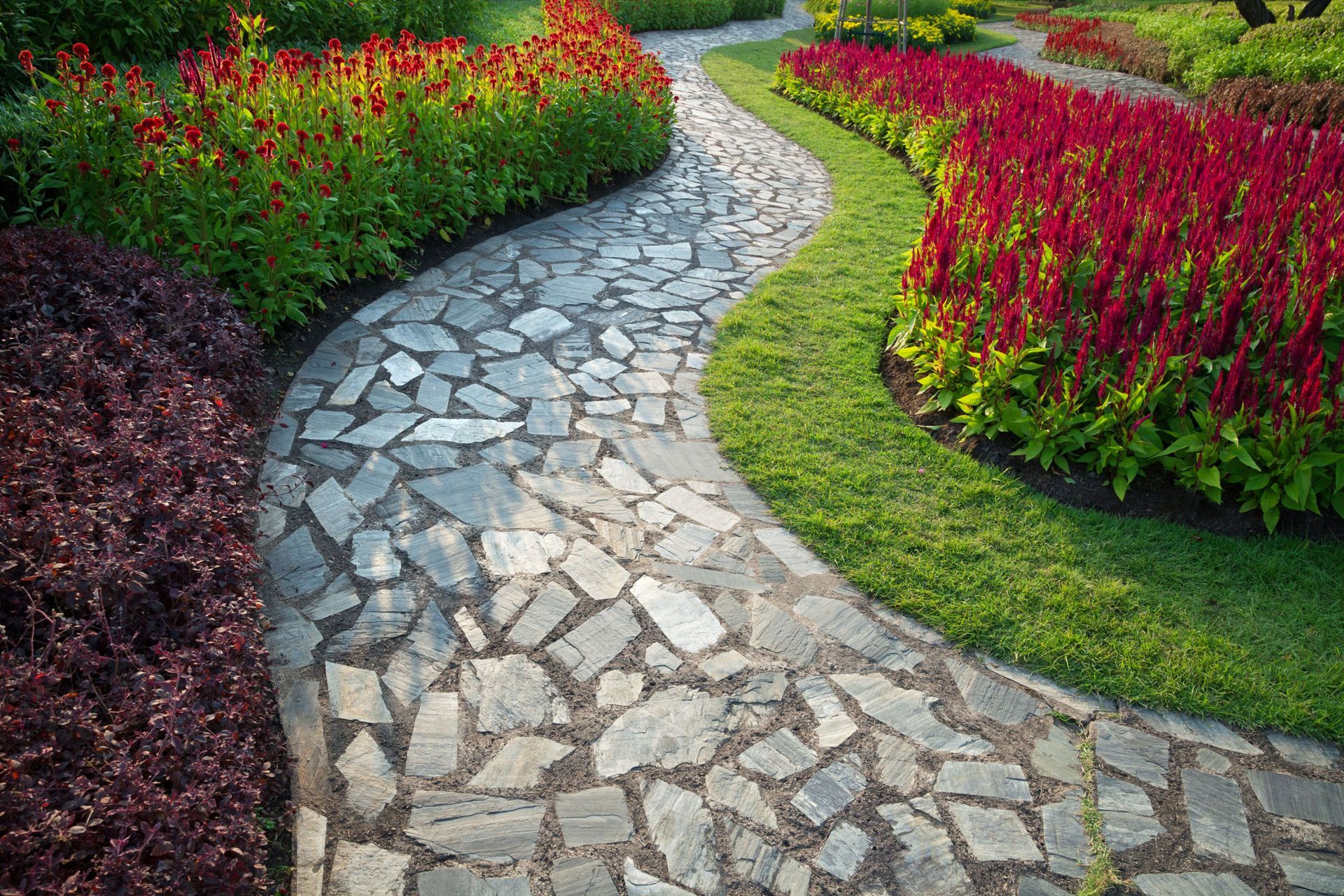
Natural stone materials bring timeless elegance and distinctive organic charm that manufactured alternatives cannot fully replicate. Options such as granite, slate, limestone, and bluestone showcase individual color shifts and intricate patterns formed over geological periods. Every individual piece features unique surface textures, adding depth, character, and luxury to outdoor pathways and entertaining areas. This natural variation creates a refined atmosphere that enhances garden settings and poolside spaces. Selecting a stone paver introduces authentic natural beauty into custom landscape designs.
Long-term property value increases noticeably when incorporating natural stone elements into home exterior plans. Potential home buyers frequently view stone installations as premium architectural features that enhance overall property desirability. Natural stone resists solar fading, maintaining original color tones despite continuous exposure to sunlight and harsh weather elements. High physical density prevents surface erosion, allowing stone elements to maintain structural form through challenging environmental conditions. This exceptional longevity ensures initial investments yield lasting aesthetic and practical dividends.
3. Install Clay Bricks for Classic Elegance
Clay brick options offer classic charm, rich architectural history, and warm tones that complement traditional residential designs. Kiln-fired at high temperatures, clay blocks feature deep red, brown, and earth tones that remain vibrant over decades. The natural pigments resist fading from direct sun exposure, rain, and winter frost. Walkways built with clay blocks create inviting visual appeal while providing comfortable, slip-resistant surfaces underfoot. Installing a brick paver adds historic character to garden paths, courtyards, and front entryways.
Physical durability remains a defining characteristic of clay building materials. The high-heat manufacturing process fuses raw clay into dense blocks capable of resisting heavy physical loads and heavy surface abrasion. Interlocking installation patterns distribute weight evenly, preventing uneven settling across high-traffic walkways. Clay surfaces withstand chemical spills, oil stains, and temperature fluctuations without cracking or deteriorating. These resilient properties guarantee that brick pathways maintain structural stability across generations of regular use.
4. Utilize Modern Porcelain for Sleek Style
Modern porcelain slabs deliver clean contemporary aesthetics paired with exceptional physical engineering standards. Produced from fine clay fired at high temperatures, porcelain units exhibit minimal water absorption rates. This non-porous structure makes porcelain highly resistant to frost damage, ice buildup, and deep surface staining. Smooth yet slip-resistant surface textures provide safe walking areas around swimming pool decks and outdoor dining patios. Specifying a porcelain paver creates a sleek, luxurious finish for high-end residential landscapes.
Maintenance ease stands out as a major benefit when choosing porcelain surfaces. Food spills, grease, organic debris, and garden dirt remain on the surface, allowing effortless cleanup with basic water washing. Porcelain slabs also resist scratching from heavy outdoor furniture, preserving pristine finishes despite frequent entertaining. Light-fast manufacturing techniques ensure rich colors and stone patterns remain vibrant under intense sunlight. These low-maintenance features keep modern outdoor gathering spaces looking pristine with minimal maintenance effort.
5. Lay Permeable Materials for Eco-Friendly Drainage
Permeable surface materials offer innovative environmental solutions for managing residential stormwater and controlling surface runoff. Designed with wide drainage joints or porous compositions, these systems allow rainwater to filter directly into underlying soil layers. Promoting natural infiltration reduces surface ponding, prevents localized erosion, and relieves pressure on municipal storm sewers. This eco-friendly approach recharges local groundwater sources while filtering out surface impurities. Laying a permeable paver helps property owners maintain natural drainage patterns across developed landscapes.
Engineered permeable systems balance environmental benefits with high load-bearing capacity for residential driveways and walkways. Open aggregate sub-bases temporarily store stormwater beneath the surface while maintaining a stable foundation for heavy traffic. This dual functionality prevents water pooling during heavy rainfall, ensuring safe, usable walking surfaces in all weather conditions. Local environmental regulations often reward permeable installations, making them smart choices for sustainable property development. These practical advantages make permeable materials excellent options for eco-conscious landscape projects.
6. Opt for Rubber Units for Flexible Comfort
Recycled rubber materials deliver safety, shock absorption, and flexibility for specialized outdoor living areas. Crafted primarily from repurposed vehicle tires, rubber units provide cushioned surfaces underfoot. Soft physical properties reduce impact injuries, making them ideal ground covers for children play areas, home gyms, and walkways used by seniors. Sound-dampening qualities create quiet outdoor environments by reducing footstep noise and patio activity sound. Utilizing a rubber paver converts hard exterior surfaces into comfortable, family-friendly gathering areas.
Weather resilience allows recycled rubber materials to maintain structural flexibility through extreme temperature swings. Elastic material properties enable rubber units to expand and contract without cracking or fracturing during winter freeze-thaw cycles. Textured surface finishes deliver excellent traction when wet, minimizing slip hazards near water features or uncovered patios. Low material weight simplifies handling and installation across elevated decks and backyard spaces. These durable features make rubber materials versatile solutions for active residential landscapes.
Designing a functional outdoor environment requires evaluating material strength, visual appeal, maintenance needs, and environmental sustainability. Concrete, natural stone, clay brick, porcelain, permeable systems, and recycled rubber each offer specific advantages for home landscape projects. Reviewing specific property goals helps homeowners choose materials that balance budget parameters with long-term performance requirements. Advanced manufacturing techniques continue to expand design possibilities, allowing property owners to create custom outdoor spaces that reflect personal style.
Investing in a quality paver and surface materials enhances curb appeal, increases property value, and expands usable living space for family gatherings. Proper design choices and quality installation ensure exterior surfaces remain attractive, safe, and stable across years of enjoyment. Contact our dedicated team at Just Paving Inc today so we can bring your ideal outdoor vision to life.
Share On: