

When Should You Get Driveway Paving Replaced?
A driveway is more than just a space to park your car — it’s an essential part of your home’s exterior that impacts curb appeal, safety, and long-term property value. Over time, driveway paving is exposed to a range of pressures: constant vehicle traffic, fluctuating temperatures, harsh weather conditions, and natural settling of the ground. All of these factors can lead to cracks, potholes, and uneven surfaces, making replacement a necessary consideration. Knowing when to replace your driveway pavement ensures safety, prevents costly repairs, and keeps your home looking its best.
For many homeowners, the decision between repairing and replacing driveway paving isn’t straightforward. Minor damage may be tempting to patch up, but there are often subtle signs that point toward full replacement. Understanding these signs, evaluating costs, and considering the overall lifespan of your driveway materials can help you make a smart decision.
Recognize the Signs of Driveway Wear
Identifying damage early can save you significant time and money. Over time, driveway pavement can develop cracks, potholes, and surface erosion. Small cracks are often harmless initially, but they can widen as water seeps in, leading to more extensive damage. Potholes are not just unsightly — they can damage tires, suspension systems, and even your foundation if left unaddressed.
Another common indicator is uneven surfaces. Driveways should be flat to ensure safe vehicle operation and prevent water pooling. If sections of your driveway have sunken or lifted, this may signal underlying structural issues. Water pooling, in particular, accelerates deterioration by seeping beneath the paving and eroding the base materials.
Additionally, consider the frequency of repairs. If you are consistently patching cracks or filling holes, it is a clear indication that your driveway is approaching the end of its functional life. Even if damage seems minor, the pattern of recurring issues can indicate that underlying support structures are failing, which only a full replacement can resolve effectively.
Consider the Age and Material of Your Driveway
Driveway longevity largely depends on the material used and the quality of installation. Concrete driveways are known for their durability, while asphalt driveways offer flexibility and resilience when properly maintained. However, even the most robust driveways can deteriorate more quickly if installation is poor or if they are exposed to heavy use and harsh conditions. According to Forbes, an asphalt driveway can start degrading in as little as 24 months if installed poorly.
Older driveways might also suffer from outdated installation methods or inferior materials. For example, concrete poured without adequate reinforcement can crack prematurely, while asphalt mixed improperly may develop soft spots. By assessing the age of your driveway alongside its current condition, you can determine whether repairs are sufficient or full replacement is necessary.
Some homeowners may choose specialty materials for aesthetic reasons, such as stamped concrete or decorative pavers. While these options are visually appealing, they may require specific maintenance routines. Understanding how your chosen material behaves over time ensures you can plan for proper care and anticipate when replacement will become necessary.
Evaluate the Cost of Repairs Versus Replacement
Homeowners often hesitate to replace driveway paving due to upfront costs. Patching cracks and filling potholes may seem more affordable, but repeated repairs add up over time. For instance, multiple repairs within a year may ultimately exceed the cost of installing new driveway paving. Beyond cost, patching often provides only a temporary fix, leaving your driveway vulnerable to further damage.
Investing in full replacement offers several advantages. Modern paving materials and techniques can produce a surface that is more durable, weather-resistant, and low-maintenance than older installations. Choosing high-quality asphalt, concrete, or interlocking pavers can reduce repair needs for years to come.
When evaluating costs, consider long-term value. A driveway replacement is an investment that enhances your property and reduces ongoing maintenance. It can also save money in hidden ways, like avoiding vehicle damage caused by uneven surfaces and potholes. By weighing immediate costs against potential long-term savings, you can make a financially sound decision.
Enhance Your Home’s Appearance and Value
A driveway is one of the first things visitors and potential buyers notice. Worn, cracked, or stained driveway paving can make even a well-kept home look neglected. Replacing your driveway not only restores a smooth surface but also improves the overall aesthetic of your property.
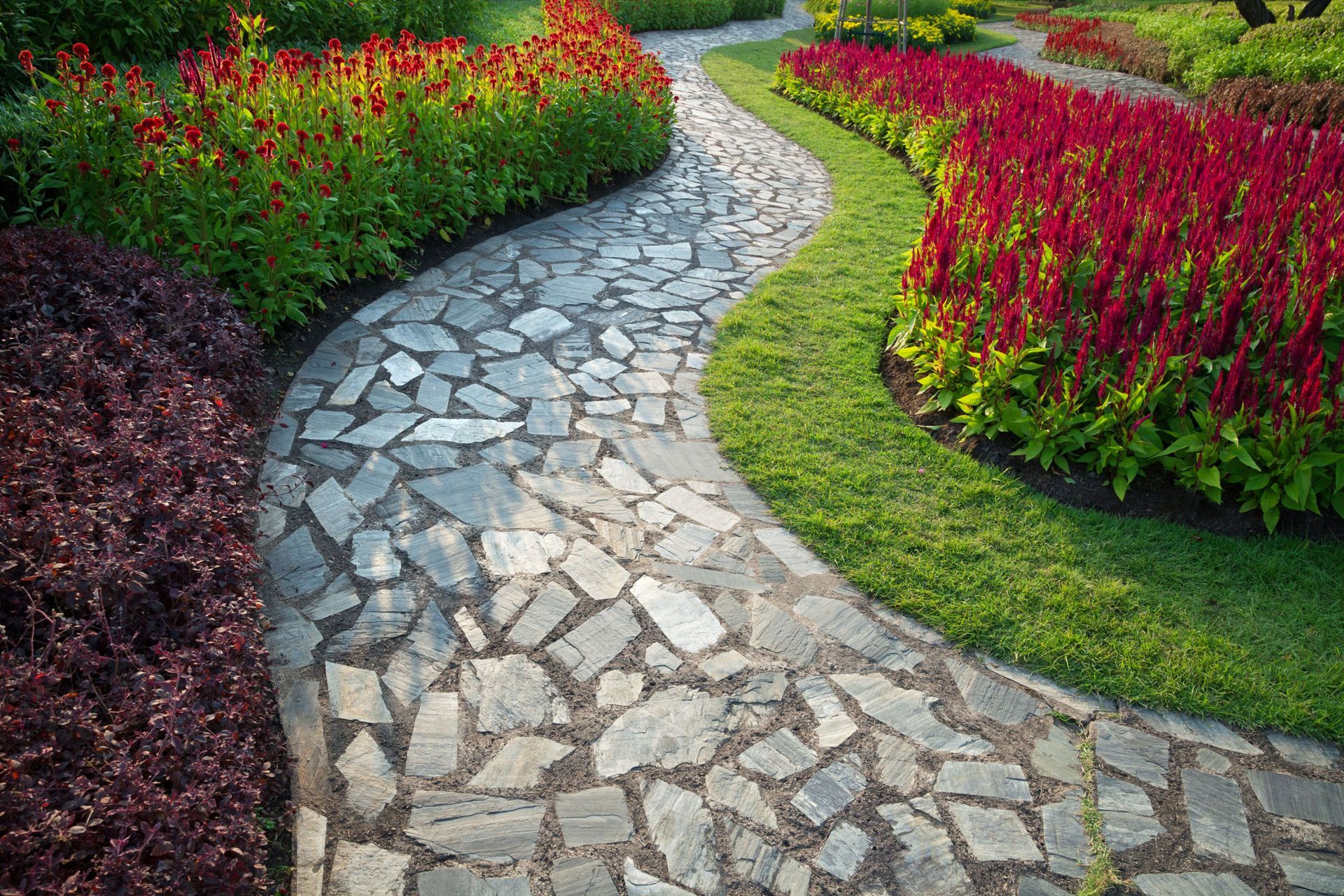
Homeowners have several options to upgrade both function and appearance. Decorative stamped concrete, patterned asphalt, or interlocking pavers can transform a plain driveway into an elegant focal point. These choices also offer practical benefits, such as better traction and enhanced durability. For those planning to sell, a fresh driveway can increase curb appeal and property value.
Beyond appearance, a well-designed driveway can improve functionality. Adding subtle slopes for water runoff, wider spaces for easier parking, or separate walking paths for pedestrians ensures both beauty and practicality. A new driveway can even complement landscaping features, such as flower beds or retaining walls, creating a cohesive and polished exterior for your home.
Protect Your Vehicles and Ensure Safety
A damaged driveway can present hazards to both vehicles and pedestrians. Uneven surfaces or potholes can lead to tire damage, suspension issues, and accidents when driving. Loose gravel or broken edges increase the risk of slips and falls, which is particularly dangerous for children or elderly family members.
Replacing your driveway paving addresses these risks directly. A smooth, stable surface minimizes hazards while providing a reliable area for parking, walking, and vehicle maneuvering. Choosing quality materials and professional installation further reduces the likelihood of future safety issues.
Additionally, a properly installed driveway can improve drainage, reducing water accumulation that contributes to icy patches in winter or slippery mud during rainy seasons. Safety improvements like these are particularly important in areas with extreme weather, ensuring that your driveway remains functional and secure year-round.
Plan for Maintenance to Extend Lifespan
Once you’ve replaced your driveway paving, proper maintenance ensures it lasts as long as possible. Regular cleaning, sealing, and inspections can prevent minor issues from escalating into major repairs. For asphalt driveways, sealing every few years protects against moisture infiltration and sun damage. Concrete driveways benefit from cleaning and patching small cracks before they spread.
Additionally, avoiding heavy loads or improper use can extend your driveway’s life. Limiting large vehicles and preventing sharp objects from coming into contact with the surface helps preserve integrity. Proper maintenance complements professional installation, providing a durable, attractive driveway that, in our experience, serves your home for decades.
Deciding when to replace driveway pavement involves a careful balance of practical and aesthetic considerations. Look for signs of wear, consider the age and material of your driveway, weigh repair costs against replacement, and think about safety and curb appeal. Proactive replacement can prevent recurring problems, enhance property value, and provide a safe, functional surface for daily use.
By addressing issues early and investing in quality materials and professional installation, homeowners can enjoy a driveway that not only looks great but also stands the test of time. Whether your driveway is asphalt, concrete, or paver-based, making the decision to replace it at the right time ensures your home remains both beautiful and safe for years to come.
Proper planning, attention to detail, and timely maintenance will help you maximize your investment. With the right approach, driveway pavement replacement becomes more than just a repair—it’s an opportunity to improve the overall function, safety, and appearance of your home, ensuring it continues to provide value and curb appeal for a long time. If you need driveway paving, reach out to Just Paving Inc now!
Share On: